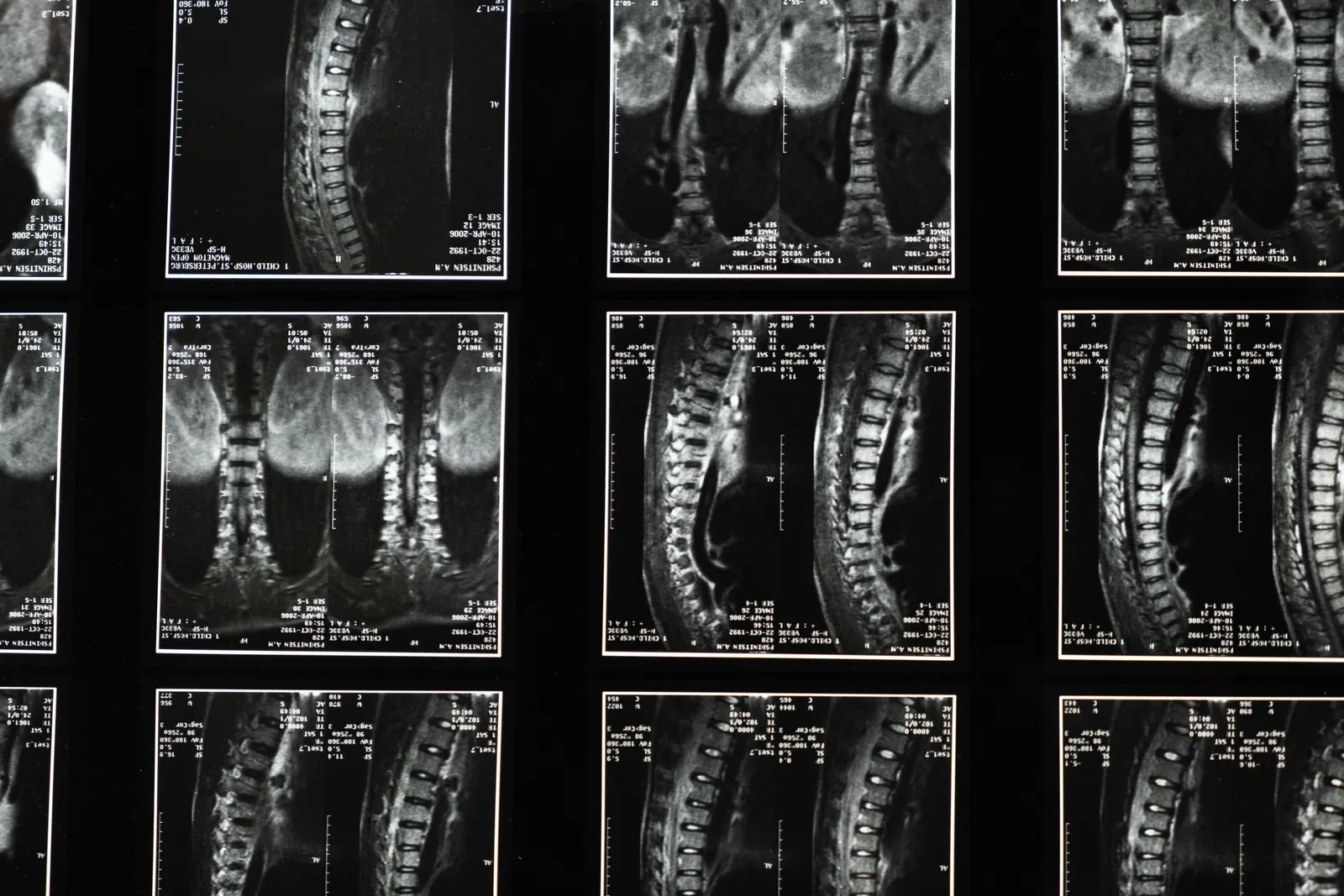
Neck and back injuries are some of the most common results of car wrecks, truck crashes, falls, and work accidents, and some of the most disputed. As a neck and back injury lawyer in Dallas, Sikandar Mehr helps people with whiplash, herniated discs, and spinal injuries prove what happened, what it has cost, and what it will cost in the years ahead.
Insurers often argue that back pain is "degenerative" or minor. We answer with medical evidence, imaging, and your treating doctors. You work directly with your attorney, and there is no fee unless we win.
How Mehr Legal handles your neck and back injury case
We build neck and back cases around clear medical proof and an honest picture of your future.
A free, honest evaluation
We review the incident, your symptoms, and your treatment, and tell you plainly what we see.
Connect the injury to the incident
We use your records and imaging to show the crash or fall caused or worsened the injury.
Address prior conditions head-on
If you had back problems before, we show how this injury made them worse.
Follow your treatment
We track therapy, injections, or surgery so the claim reflects your full care.
Project future costs
We work with your doctors on future treatment, restrictions, and lost earning capacity.
Negotiate, ready for trial
We present a demand when the medical picture is clear and file suit if the insurer will not be fair.
What makes neck and back injury claims different in Texas
Neck and back injuries range from soft-tissue whiplash that heals in weeks to spinal cord damage that lasts a lifetime. The value of a claim depends heavily on the medical proof and the long-term outlook, and insurers look for any reason to call the injury pre-existing or minor.
What Makes Neck and Back Injury Claims Different in Texas
What drives value
Lower-value claim
Higher-value claim
Diagnosis
Soft-tissue strain or sprain
Herniated disc, fracture, nerve or spinal cord damage
Treatment
Short course of therapy
Injections, surgery, long-term care
Imaging
Normal or not done
MRI showing injury that matches symptoms
Work impact
Few missed days
Lost job, restrictions, reduced earning capacity
Medical history
Prior back problems with no change
Prior condition clearly made worse by the crash
Liable parties in a Texas neck and back injury claim
A driver who caused a car, truck, or motorcycle crash
A trucking or delivery company and its driver
A property owner whose hazard caused a fall
An employer or contractor responsible for an unsafe job site
A manufacturer of a defective product or vehicle part
Insurance coverage in neck and back injury claims
The at-fault party's liability insurance pays most claims. Your own personal injury protection can pay early medical bills and lost wages regardless of fault (Tex. Ins. Code § 1952.152), and uninsured/underinsured motorist coverage can fill gaps (Tex. Ins. Code § 1952.101). Serious spinal injuries often require looking for commercial and umbrella policies too.
Evidence that proves a neck and back injury claim
Emergency room and follow-up records showing early complaints
MRI and CT imaging, compared with any prior scans
Physical therapy, pain management, and surgical records
Doctor opinions on cause, permanence, and future treatment
Work and pay records showing missed time and restrictions
Crash photos and data showing the force of impact
What to do after a neck or back injury in Texas
Neck and back injuries often get worse over the first few days. These steps protect your health and your claim.
Get checked the same day
Go to the ER or urgent care, even if the pain seems mild.
Describe every symptom
Tell the doctor about pain, numbness, tingling, or weakness, even if it seems small.
Follow up within days
See your primary doctor or a specialist soon after the initial visit.
Ask about imaging
If pain continues, ask whether an MRI is appropriate.
Do the therapy
Attend physical therapy and keep appointments. Gaps in care hurt claims.
Keep a pain journal
Note pain levels, sleep problems, and activities you can no longer do.
Save every record
Bills, receipts, work notes, and pay stubs.
Avoid recorded statements
Insurers may use your words to say you were "fine."
Talk to a lawyer early
Especially if you had prior back problems or your doctor mentions surgery.
Texas laws that affect your neck and back injury claim
Three sets of rules shape most Texas neck and back claims: the two-year deadline, the 51% fault rule, and how damages are measured.
Texas two-year deadline to file a neck and back injury claim
Most neck and back injury lawsuits must be filed within two years of the injury (Tex. Civ. Prac. & Rem. Code § 16.003). Early medical records matter most. A doctor's note from the day of the crash describing neck or back pain is often the single best piece of evidence linking the injury to the incident.
Texas 51% shared-fault rule
Texas reduces your recovery by your share of fault and bars it at 51% or more (Tex. Civ. Prac. & Rem. Code §§ 33.001, 33.012). In back injury cases, insurers may also argue that you made the injury worse by skipping treatment. Following your doctor's plan protects your health and your claim.
How Texas measures damages, including prior conditions
You may recover medical expenses, lost earnings and earning capacity, physical pain, mental anguish, and physical impairment. Medical expenses are limited to amounts actually paid or incurred (Tex. Civ. Prac. & Rem. Code § 41.0105). If a crash aggravated an existing back condition, you can recover for the worsening it caused, but not for the condition you already had. Clear before-and-after medical evidence is the key.
Neck and back injury statistics in Texas
About 18,000new spinal cord injuries happen in the U.S. each year, and about 305,000 Americans live with one.
Vehicle crashes are the leading cause of spinal cord injury, accounting for 37.5% of cases since 2015.
37.5%
Falls cause another 31.7%of spinal cord injuries, and the average age at injury is 43.
17,420people were seriously injured in Texas crashes in 2025, many with back, neck, and spinal injuries.
Sources: National Spinal Cord Injury Statistical Center, Facts and Figures at a Glance, 2024; TxDOT, Texas Motor Vehicle Traffic Crash Facts, 2025.
Where we handle neck and back injury cases in Texas
Mehr Legal represents people with neck and back injuries across Texas from our office in Richardson. Most of these injuries come from car accidents, truck and 18-wheeler crashes, and motorcycle crashes, along with falls and work injuries.
Spinal Cord Injury Severity
Spinal cord injury severity
Average first-year costs
Average costs each year after
High tetraplegia (C1-C4)
$1,369,755
$237,862
Low tetraplegia (C5-C8)
$989,768
$145,918
Paraplegia
$667,569
$88,433
Incomplete motor function at any level
$447,037
$54,298
Source: National Spinal Cord Injury Statistical Center, Traumatic Spinal Cord Injury Facts and Figures at a Glance, 2024. Figures exclude lost wages and other indirect costs
These figures show why spinal injury claims must account for a lifetime of care, not just the first hospital bills. Even less severe disc and soft-tissue injuries can lead to years of treatment, which is why we do not rush to settle.
Consultations are available by phone, by video, or in person at our Richardson office. Related pages: brain injuries and personal injury.
Frequently asked questions about Texas neck and back injury claims
What is the average settlement for a car accident back and neck injury?
There is no reliable official average, and online numbers are guesses. Value depends mainly on the diagnosis, the treatment needed (therapy, injections, or surgery), MRI findings, time missed from work, and the insurance available. Soft-tissue injuries usually settle for less than herniated discs or injuries that need surgery.
What is a back and neck injury settlement worth without surgery?
Often less than a surgical case, but it can still be significant. Injections, months of therapy, lasting pain, and work restrictions all add value, even without surgery. Strong medical documentation and consistent treatment make the biggest difference.
Are neck injury settlement calculators accurate?
No. Online calculators cannot account for your medical records, imaging, prior conditions, work restrictions, or the insurance limits in your case. Insurers use their own evaluation methods. A realistic range comes from reviewing the actual evidence.
Can I recover if I had back problems before the accident?
Yes. If the crash made an existing condition worse, you can recover for that worsening. Prior records and new imaging help show the difference between your condition before and after.
What is whiplash, and is it a real injury?
Whiplash is a neck injury caused by a rapid back-and-forth movement, common in rear-end crashes. It can cause neck pain, stiffness, headaches, and reduced movement that sometimes lasts months. It is a real, documented injury, though insurers often treat it as minor.
What does a spinal injury attorney do?
A spinal injury attorney proves how the injury happened, works with doctors to document its severity and future care, and pursues compensation for medical costs, lost earning capacity, and pain. For spinal cord injuries, that often includes life-care planning.
How long do I have to file a neck or back injury lawsuit in Texas?
Generally two years from the injury (Tex. Civ. Prac. & Rem. Code § 16.003).
Can I still recover if I was partly at fault?
Yes, if your share is 50% or less. Your recovery is reduced by that percentage and barred at 51% or more (Tex. Civ. Prac. & Rem. Code § 33.001).
Talk to a neck and back injury lawyer today
If a neck or back injury is keeping you from work or the life you had, you deserve an honest look at your claim. Talk directly with attorney Sikandar Mehr. The consultation is free, and there is no obligation.