Motorcycle accident lawyer in Dallas

Riders get blamed first. We start with the evidence.

When a driver turns in front of a motorcycle, the rider takes almost all of the force, and then often takes the blame too. As a Dallas motorcycle accident lawyer, Sikandar Mehr represents riders and their families who were hurt by careless drivers, and he answers the bias against bikers with facts.

We preserve the bike, the gear, and the video, document every injury, and push the insurer to pay what the evidence supports. You work directly with your attorney the whole way, and there is no fee unless we win.

How Mehr Legal handles your motorcycle accident case

Motorcycle cases are won on early evidence and honest medical documentation. Here is how we work them.

  1. A free, honest evaluation

    We review the crash, your injuries, and the coverage, and tell you plainly what we see.

  2. Protect the bike and gear

    We ask you not to repair the motorcycle or toss your helmet until they are photographed and inspected.

  3. Answer the rider bias

    We use reconstruction, video, and witnesses to show what really happened, not what the driver assumed.

  4. Find every policy

    We look at the driver's coverage, any employer coverage, and your own UM/UIM benefits.

  5. Document serious injuries fully

    We work with your doctors to capture surgery, therapy, future care, and lost earning capacity.

  6. Negotiate, ready for trial

    We present a demand when the medical picture is clear and file suit if the insurer will not be fair.

See our case process for each step.

What makes motorcycle accident claims different in Texas

Motorcycle cases look like car cases on paper, but they play out very differently. Injuries are more severe, insurance is often too small, and adjusters and jurors may assume the rider was speeding or reckless. A strong case answers all three.

What Makes Motorcycle Accident Claims Different in Texas
Car occupant in a crashMotorcycle rider in a crash
ProtectionSteel frame, seat belts, airbagsA helmet and gear
Typical injuriesWhiplash, fractures, concussionsBrain and spinal injuries, multiple fractures, road rash, amputation
How insurers reactStandard claim processOften assume rider fault or speed
Visibility issuesRarely centralOften central: "I never saw him"
Evidence needsCrash report, photosAll of that, plus bike damage, gear, and reconstruction

Liable parties in a Texas motorcycle accident claim

  • A driver who turned left across the rider's path or changed lanes into the rider
  • A distracted or impaired driver (see car accidents)
  • The driver's employer, if they were working
  • A city or contractor responsible for potholes, debris, or unsafe work zones
  • A manufacturer, for defective tires, brakes, or motorcycle parts

Insurance coverage in motorcycle accident claims

The at-fault driver's liability coverage may be as low as $30,000 per person (Tex. Transp. Code § 601.072), which rarely covers a serious motorcycle injury. Uninsured/underinsured motorist coverage on your motorcycle policy, and sometimes on a household auto policy, can add more (Tex. Ins. Code § 1952.101). We review every policy in the household before assuming the limits are what the adjuster says.

Evidence that proves a motorcycle accident claim

  • The motorcycle, kept in its post-crash condition
  • Your helmet and riding gear, which show where and how you were hit
  • Damage patterns on both vehicles, showing angle and speed
  • Scene measurements, scrape marks, and final rest positions
  • Traffic, business, and dash camera video
  • Witness statements gathered early

What to do after a motorcycle accident in Texas

Motorcycle injuries are often more serious than they first appear. These steps protect your health and your claim.

  1. Call 911 and get care

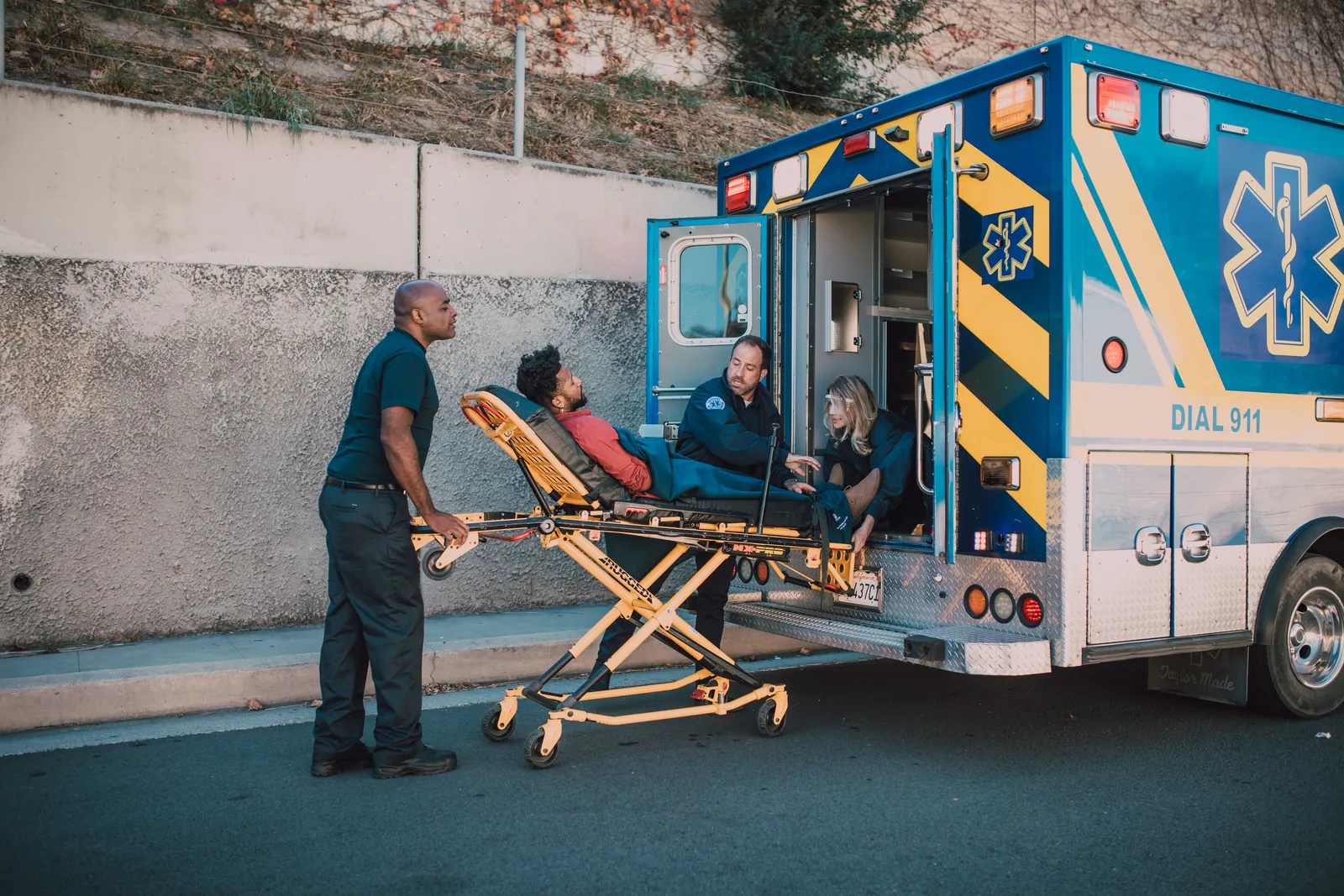
    Accept an ambulance if offered. Adrenaline can hide fractures and head injuries.

  2. Stay off the bike

    Do not ride it home. A damaged frame or brakes can cause a second crash.

  3. Photograph everything

    Both vehicles, the road surface, debris, skid marks, and your injuries and gear.

  4. Get the driver's information

    Name, license, insurance, and plate. Texas law requires drivers to exchange it.

  5. Find witnesses

    Riders and drivers nearby often saw the turn or lane change that caused the crash.

  6. Keep your gear as-is

    Store your helmet, jacket, and boots without cleaning or repairing them.

  7. Get the crash report

    Ask the officer for the report number so you can request the CR-3.

  8. Skip the recorded statement

    The other insurer may use your words to argue you were speeding.

  9. Call a motorcycle accident lawyer

    Video and witness memories fade fast. Early action protects them.

Texas laws that affect your motorcycle accident claim

Three rules come up in almost every Texas motorcycle claim: the two-year deadline, the 51% fault rule, and the state's helmet and lane-splitting laws.

Texas two-year deadline to file a motorcycle accident claim

You generally have two years from the crash to file a lawsuit (Tex. Civ. Prac. & Rem. Code § 16.003). Claims involving a government vehicle or road require written notice within six months or less (Tex. Civ. Prac. & Rem. Code § 101.101). The evidence window is shorter. Bikes get repaired or salvaged, video is overwritten, and witnesses forget details, so riders who act early have stronger cases.


Texas 51% shared-fault rule

If you are 50% or less at fault, you can recover, reduced by your share (Tex. Civ. Prac. & Rem. Code § 33.012). At 51% or more, you recover nothing (Tex. Civ. Prac. & Rem. Code § 33.001). This rule is where rider bias does the most damage. Insurers may claim you were speeding or weaving to shift fault onto you. Physical evidence and reconstruction are the best answer to those claims.

Helmet and lane-splitting laws

Texas requires helmets for riders under 21. Riders 21 and older may ride without one if they completed an approved safety course or carry qualifying health insurance (Tex. Transp. Code § 661.003). Not wearing a helmet does not cause a crash, though insurers may argue it worsened a head injury. Since September 1, 2023, Texas law prohibits riding between lanes of traffic (HB 4122), so lane position matters.

Motorcycle accident statistics in Texas

  • 559motorcyclists died on Texas roads in 2025, 14.8% of all traffic deaths in the state.

  • 2,470Texas motorcyclists were seriously injured in 2025, many with brain, spinal, or orthopedic injuries.

  • Nearly halfof the riders killed in Texas in 2025 (259) were 18 to 34 years old.

  • Per mile traveled, riders were almost 28 timesmore likely to die in a crash than passenger car occupants in 2023.

Sources: TxDOT, Motorcyclist Fatalities and Injuries by Age Group and Helmet Use, 2025; TxDOT, Texas Motor Vehicle Traffic Crash Facts, 2025; NHTSA, Traffic Safety Facts: Motorcycles, 2023 Data.

Where we handle motorcycle accident cases in Texas

Mehr Legal represents riders across Texas from our office in Richardson. Around Dallas-Fort Worth, we see serious motorcycle crashes on I-35E, I-30, I-635, US-75, and SH-114, and on the two-lane roads around Lake Lewisville and Lake Ray Hubbard. Houston's I-45 and I-10 and Austin's I-35 and the Hill Country routes carry heavy rider traffic too.

TxDOT does not publish motorcycle crash totals by county in its standard county tables, so this page relies on statewide rider data. In 2025, 31% of the motorcyclists killed in Texas (173) were not wearing helmets, which means most riders who died were wearing one. Helmets help, but they cannot protect a rider from a driver who never looked.

Wherever you were hurt, consultations are available by phone or video, and in-person meetings take place at our Richardson office. Related pages: brain injuries, wrongful death, and personal injury.

Frequently asked questions about Texas motorcycle accident claims

What is the average settlement for a motorcycle accident in Texas?

There is no reliable official average, and any number you see online is a guess. What a motorcycle claim is worth depends on the severity of your injuries, your medical costs and lost income, who was at fault, and how much insurance is available. We give you a realistic range once we have reviewed your records.

Can I recover if I was not wearing a helmet?

Yes. Riders 21 and older may legally ride without a helmet if they meet the training or health-insurance exception (Tex. Transp. Code § 661.003). A missing helmet does not change who caused the crash. Insurers may argue it made a head injury worse, but it says nothing about a broken leg or spinal injury.

Is lane splitting legal in Texas?

No. Since September 1, 2023, Texas law prohibits motorcyclists from riding between lanes of traffic moving in the same direction (HB 4122). If you were lane splitting, insurers will use it to argue shared fault, but you may still recover if your share is 50% or less.

What if the driver says they never saw me?

"I didn't see the motorcycle" is not a defense. Every Texas driver must keep a proper lookout. In many cases, that statement is an admission that the driver was not paying attention.

Can I still recover if I was partly at fault?

Yes, if your share of fault is 50% or less. Your recovery is reduced by that percentage and barred at 51% or more (Tex. Civ. Prac. & Rem. Code § 33.001).

Should I repair my motorcycle right away?

Not until it has been photographed and inspected. Bike damage helps show speed, angle, and point of impact, which can decide a disputed fault question.

What if the driver had little or no insurance?

Your own uninsured/underinsured motorist coverage may pay. Texas policies include it unless you rejected it in writing (Tex. Ins. Code § 1952.101). We check every policy in your household.

How long do I have to file a motorcycle accident lawsuit in Texas?

Generally two years from the crash, or two years from the date of death in a fatal crash (Tex. Civ. Prac. & Rem. Code § 16.003).

Talk to a Dallas motorcycle accident lawyer today

If you or someone you love was hurt on a motorcycle, you deserve a lawyer who starts with the evidence, not assumptions. Talk directly with attorney Sikandar Mehr about what happened. The consultation is free, and there is no obligation.

Call 214-628-3360, read about our case process and fees, or contact us online.

  • No fee unless we win. One flat contingency fee that never goes up, with case expenses explained in writing.

  • One attorney, start to finish. Direct access to your lawyer, not a call center.

  • Evidence first. We protect the bike, gear, and video before they are lost.

  • Statewide reach. Dallas-Fort Worth, Houston, Austin, West Texas, and everywhere in between.

  • Help in your language. English, Urdu, Punjabi, Hindi, and Spanish-language assistance.

Call 214-628-3360